


Curated themes into Dhati Lewis’s body of work. Find your formation entry point.
You don't need to read everything. Pick the theme that matches the question you're already carrying. Start with Holistic Urban Disciple-Making (Among Wolves) or begin with The Ministry of Advocacy and Reconciliation.
Explore Dhati Lewis’s core formation frameworks and missional paradigms.

Following Jesus into the city requires abandoning extractionist models and entering the density, friction, and systemic complexity of the urban core. Grounded in Jesus' commissioning in Matthew 10, Lewis teaches that true discipleship is not about withdrawing to safety but living as sheep among wolves with wisdom and innocence. A reader learns to cultivate authentic spiritual fathers and mothers, reverse generational brain drain, and establish reproducing disciple-making communities so the next generation never has to leave their neighborhood to be discipled.
Enter pathway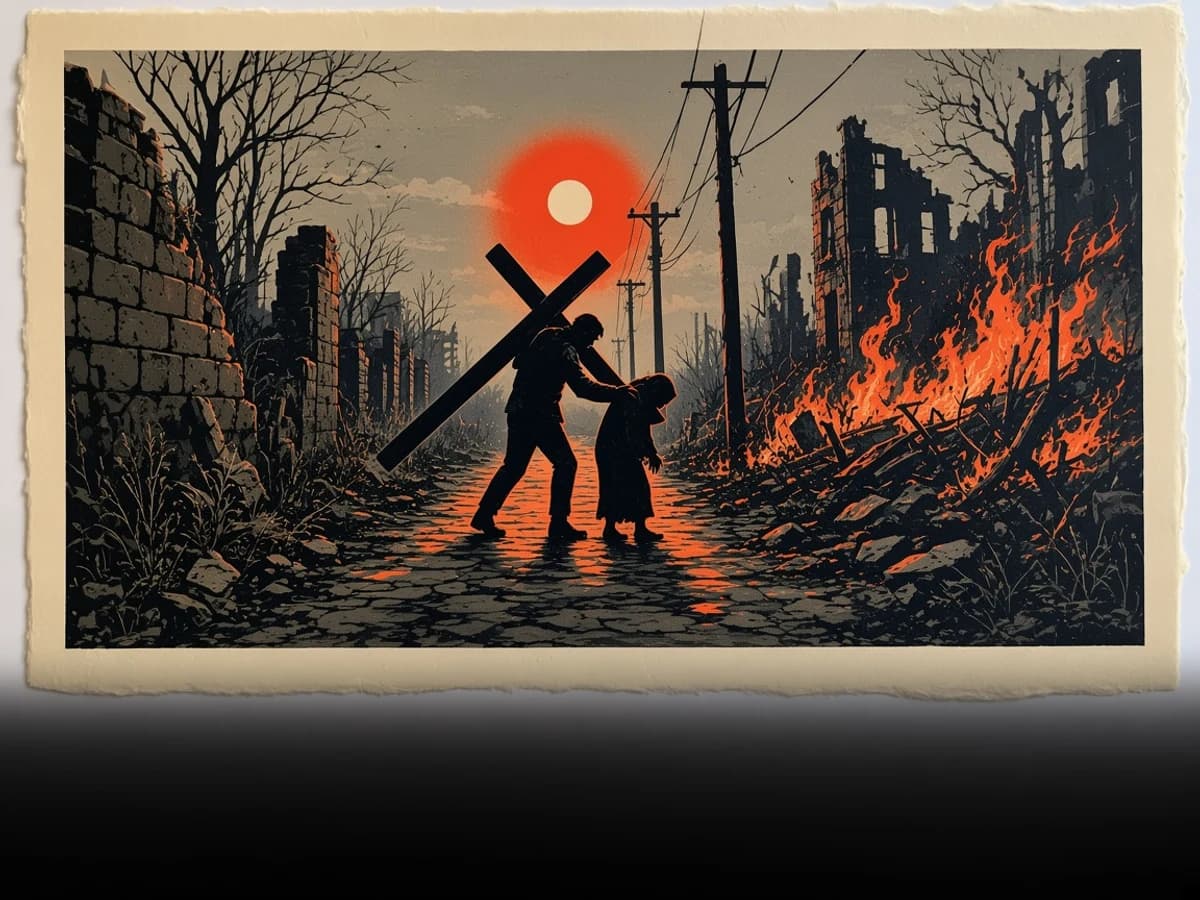
Biblical reconciliation is not emotional sentimentality, colorblind denial, or political weaponization; it is the active, costly ministry of advocacy. Grounded in Christ's priestly intercession, Lewis charts the narrow path between two destructive extremes: the apathy of the adversary who protects the status quo, and the rage of the activist who dismantles without building. A reader learns to leverage social capital, bear the relational weight of another's brokenness, and embody the cross by advocating for the marginalized within the household of God.
Enter pathway
Every urban street has a distinct soul, memory, and cultural density that must be exegeted before mission can bear fruit. Through the lens of "The Boulevard" (MyBLVD), Lewis teaches leaders to embrace the history, pain, and resilience of inner-city neighborhoods. A reader learns how to move past drive-by charitable paternalism into permanent rootedness, discovering that the people living on the boulevard are not projects to be saved, but image-bearers capable of leading spiritual revival.
Enter pathway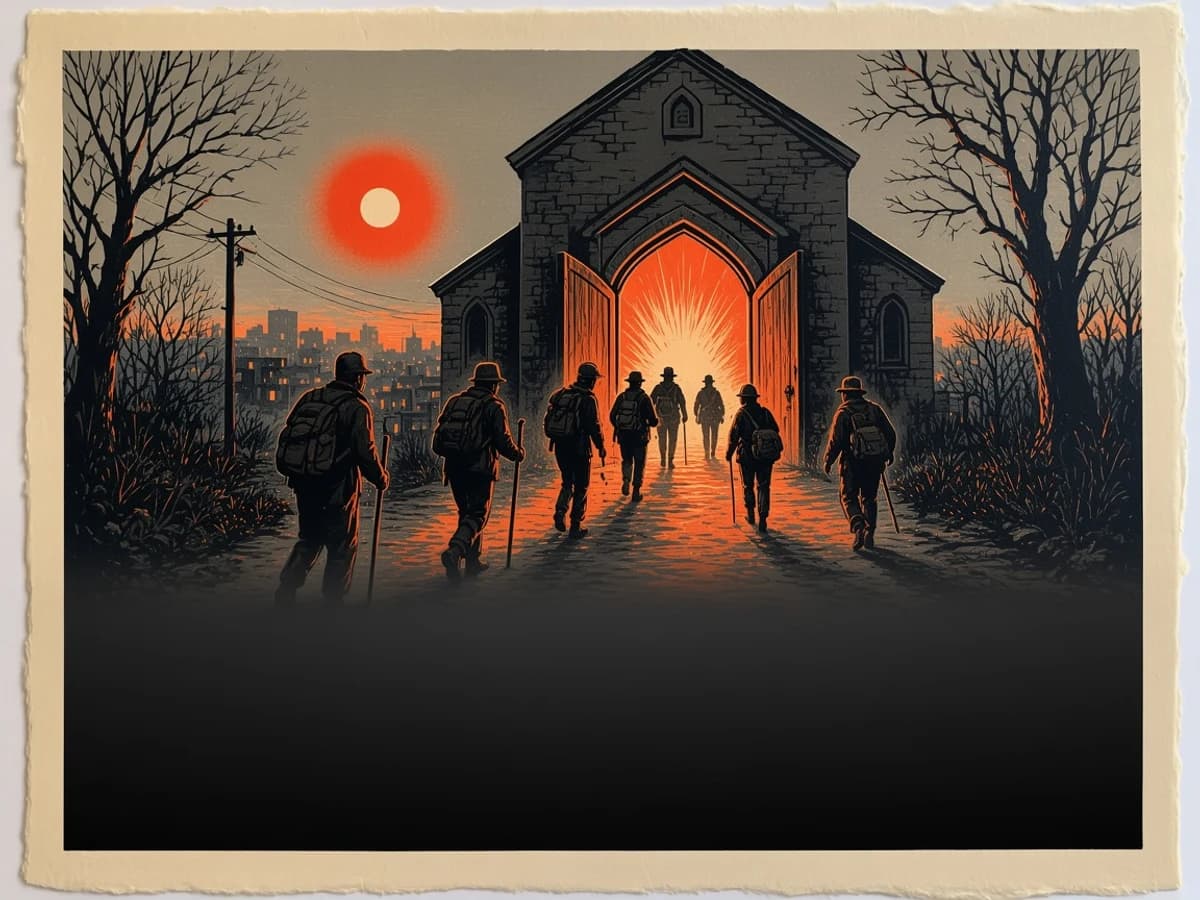
The true measure of a vibrant movement is not how many seats a church can fill on Sunday, but how many discipled missionaries it can deploy throughout the week. Challenging consumeristic church metrics, Lewis champions an apostolic sending culture where planting new churches and activating lay missionaries is the core priority. A reader learns to redesign organizational structures, celebrate the loss of top leaders when they are sent, and build church networks driven by rapid multiplication.
Enter pathway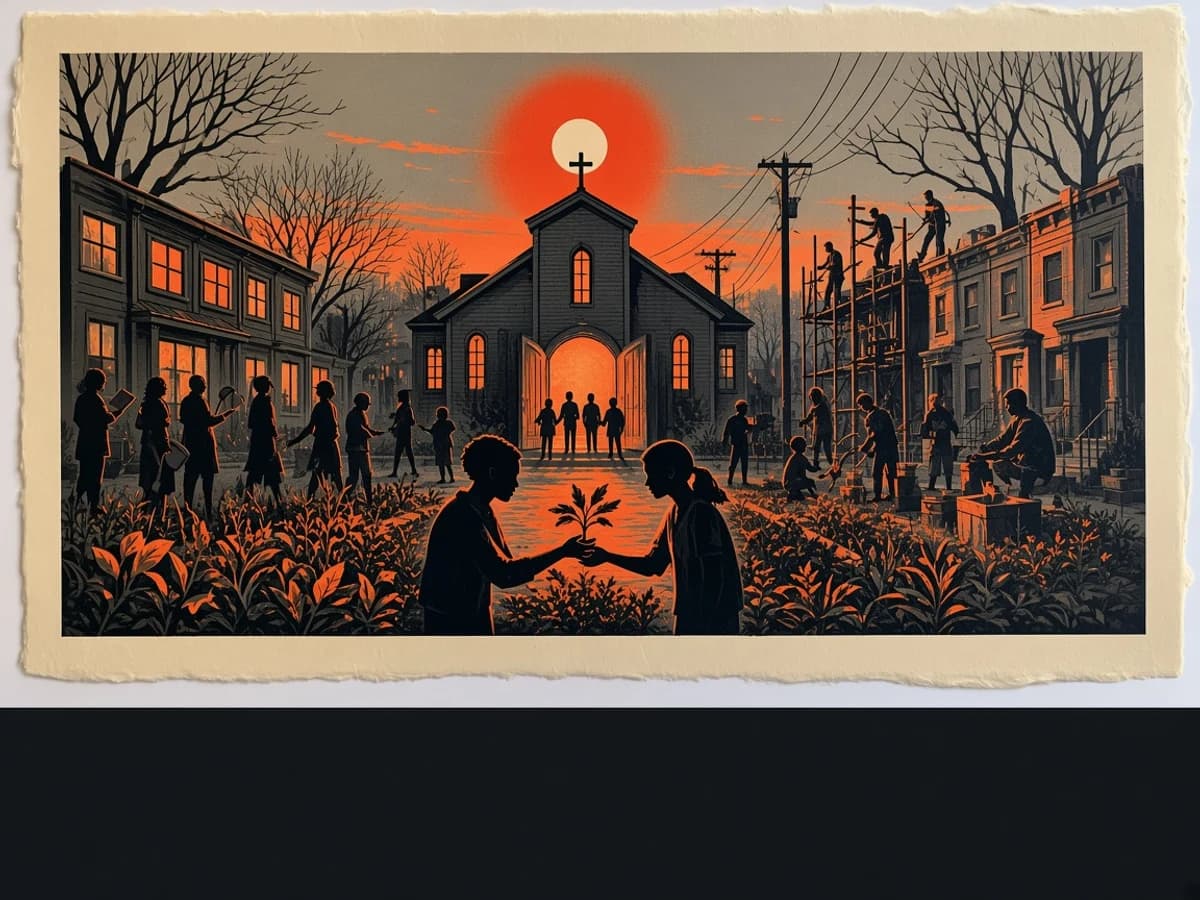
The gospel of the kingdom reconciles human hearts to God while simultaneously dismantling systemic injustice, family fragmentation, and economic despair. Lewis articulates a comprehensive theology of urban flourishing where church communities establish schools, foster job training, advocate for affordable housing, and disciple the whole person. A reader learns to unite personal evangelism with community development, proving the truth of the gospel through tangible neighborhood transformation.
Enter pathway